
 On April 30, 1812, Louisiana became the 18th state in the United States. Louisiana was originally a French in 1731 but was relinquished to Spain after the French and Indian Wars. Louisiana was eventually returned back to France in about 1800. The famous French Emperor Napoleon Bonaparte sold Louisiana to the United States just two years later in 1803 in what was known as the Louisiana Purchase.
Louisiana did not adopt a state flag until 100 years after it became a state in 1912. The background of the flag is blue which represents truth and placed in the center of the flag is the state bird, The Eastern Brown Pelican, feeding her three young chicks inside a nest. There is a legend saying that the mother pelican is tearing flesh from herself at the chest to feed her own young. And underneath the birds is a ribbon stating the state’s motto, Union, Justice, and Confidence.
Louisiana is home to New Orleans, famous for Mardi Gras, which is always celebrated 46 days before Easter. The city hosted its first Mardi Gras parade in 1837 and the floats did not start coming until twenty years later. The celebration generates a revenue of over $840 million annually thanks to tourists and regulars who come to celebrate.
How Louisiana Got Named: Louisiana was named after Louis XIV of France.
No Counties? Louisiana is one of two U.S. states that do not have counties. Instead, Louisiana is divided into 64 parishes. The only other state without counties is Alaska and they are divided by boroughs.


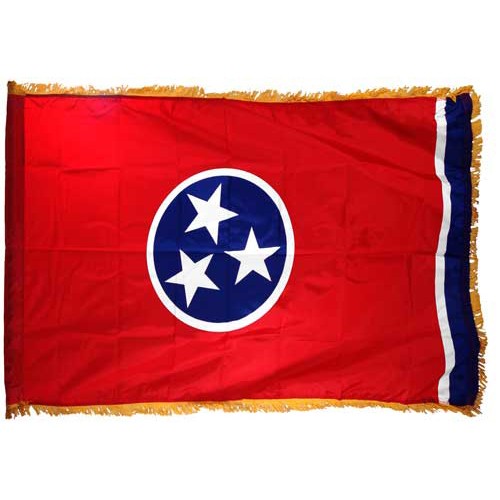

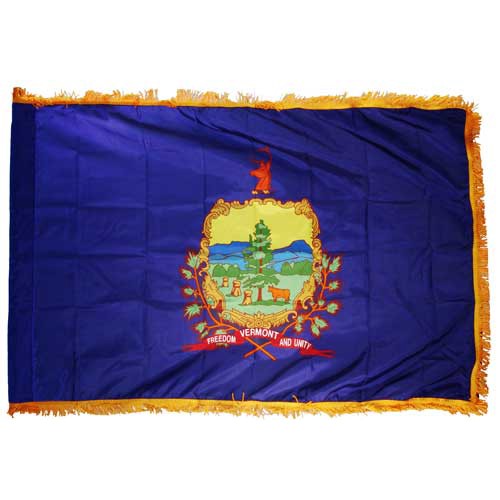
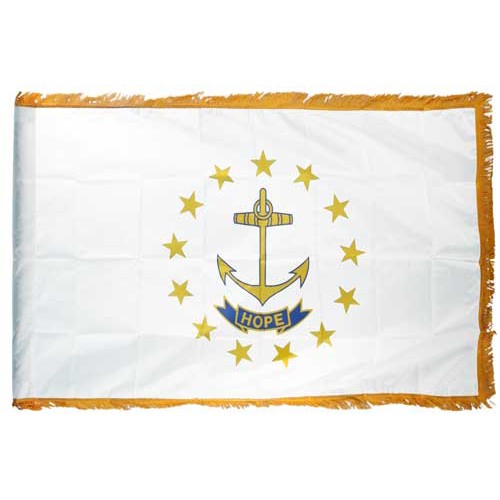

 We are almost done with the original thirteen colony states! Virginia marks the tenth state to be added into the Union. Becoming a state on June 25, 1788, Virginia was named after Queen Elizabeth I, The Virgin Queen. The state is bordered by two bodies of water, Chesapeake Bay and the Atlantic Ocean while being surrounded by five other states (Kentucky, Maryland, Tennessee, North Carolina, and West Virginia). It is also near Washington DC.

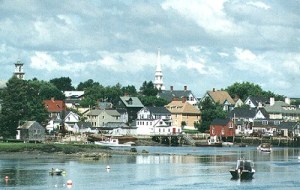
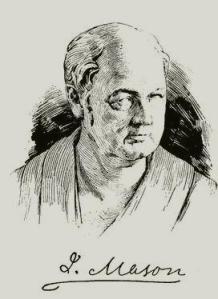 New Hampshire got its name when it was named after the English county of Hampshire. It was named by a man named John Mason, who lived in Hampshire, England, as a child. He invested very heavily in this new land, clearing land and building houses in New Hampshire, but had died before he was able to even see his new land.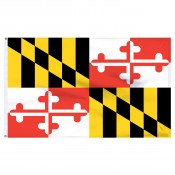
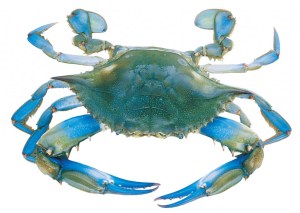 The state is a largely coastal state. Chesapeake Bay is the largest body of water in the state of Maryland. There are also nearly 50 rivers, lakes, ponds, streams, and creeks in addition to the Atlantic Ocean. Maryland is largely known for the crab due to it being the state crustacean (actually, the Maryland Blue Crab), one of three states who has a state crustacean. The blue crab is a treat for seafood lovers who live in and visit the state.
 Flag Blog