
The Italian flag as it is known today was adopted January 1, 1948; however, it has been in use since June 19, 1946. Often it is referred to in Italian as Il Tricolore because of its tricolor features of three equally sized vertical pales of green, white, and red.

Various people have ascribed particular ideals to the colors of the flag. Common interpretations have the green symbolizing the country’s plains and the hills. The white signifies the snow-capped Alps. Lastly, the red denotes the blood spilt in the Wars of Italian Independence. A religious interpretation is that the green is for hope, the white is for faith, and the red is for charity.
The protocol for the Italian flag is written in Article 12 of the Constitution. It follows Italy’s membership of the European Union and states the general provisions governing the use and display of the flag. When the flag is displayed alongside other flags, the national flag of Italy shall take the place of honor and it should be raised first and lowered last. Other national flags are arranged in an alphabetical order. Additional rules include that the flag should always be regarded with dignity and should never touch the ground or water.
The flag is flown from sunrise to sunset like many other country’s flags. It is not permitted to be displayed in bad weather and can only be flown at night if it is properly illuminated. A flag displayed outside can be flown at half-mast as a sign of mourning; however, other flags can have two black ribbons attached to show the sign of mourning.

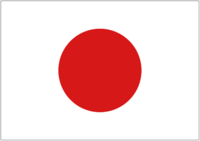 Japan’s flag protocol calls for the flag to be flown from sunrise until sunset; however, a business or school is allowed to fly the flag from their opening to closing hours. The Cabinet Prime Minister of Japan is the official with authority to place the flag at half-staff.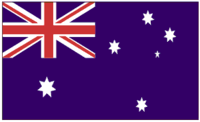
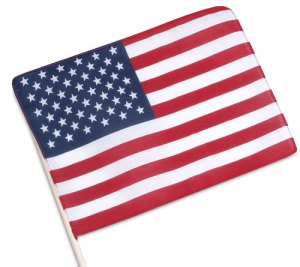 Captain Driver used the flag on the whaling ship Charles Doggett during an around the world voyage in 1831-32. It was at this time that Driver began referring to the flag as
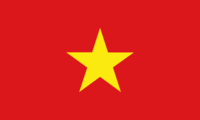 The design of the Vietnam flag is a very simple one – a bright yellow star emblazoned upon a bright red background. Although simple, the design of the flag does indeed have a very significant meaning. As can probably be guessed, the red background of the Vietnam flag was based upon the flag of the Communist Party. The yellow star does not have such an obvious meaning, however. Each point of the five pointed yellow star on the
  The colors of the
  The Virgin Islands of the United States consist of a group of islands located in the Caribbean sea, about 90 miles east of Puerto Rico. The Virgin Islands are made up of many small islands; however the notable ones include the islands of Saint Croix, Saint John, Water Island, and Saint Thomas.
 Flag Blog