
Throughout American history, presidential inaugurations have marked pivotal moments of change and progress. From George Washington’s first oath in 1789 to the upcoming 60th Presidential Inauguration on January 20, 2025, these ceremonies have witnessed numerous groundbreaking firsts. Each inauguration combines time-honored traditions with unique elements that reflect evolving times, creating historic milestones in our nation’s journey.
Here are five of our favorite historical firsts for Inauguration Day ceremonies!
The First Inauguration’s Nervous Start (1789)
Upon taking the first ever Oath of Office on April 30th, 1789, President George Washington was said to have been visibly nervous, speaking quietly and seriously before an exuberant Congress gathered in New York City, the nation’s first capital. Washington established the time-honored tradition of taking the oath on the Bible, though the Constitution describes the oath that must be recited;
Article II, Section 1 of the Constitution spells out the presidential oath: “I do solemnly swear (or affirm) that I will faithfully execute the Office of President of the United States, and will to the best of my ability, preserve, protect and defend the Constitution of the United States.”
The First Inauguration in Washington, D.C. (1801)
A Founding Father of the United States and drafter of the Declaration of Independence, Thomas Jefferson’s inauguration to become the 3rd President was the first to be held in Washington, D.C., marking a significant transition for the nation as it established its new capital city. Jefferson’s first inauguration, which took place on March 4, 1801, was a simple yet profound ceremony wherein he took the oath of office quietly and modestly, reflecting his belief in the principles of democracy. Following the ceremony, he walked back alone to his boarding house, symbolizing the humility he valued in leadership.
By contrast, his second inauguration on March 4, 1805, was a much more raucous affair with enthusiastic crowds lining the streets and escorting the newly re-elected President to the prestigious new President’s House—known today as the White House. The vibrant atmosphere of this event highlighted Jefferson’s popularity and the political climate of the time, as citizens celebrated his achievements and the growing stability of the young republic.
The First Photographed Inauguration (1857)
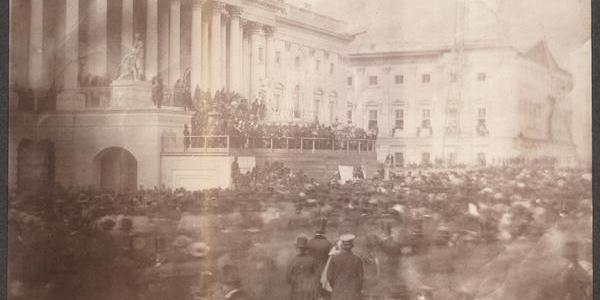
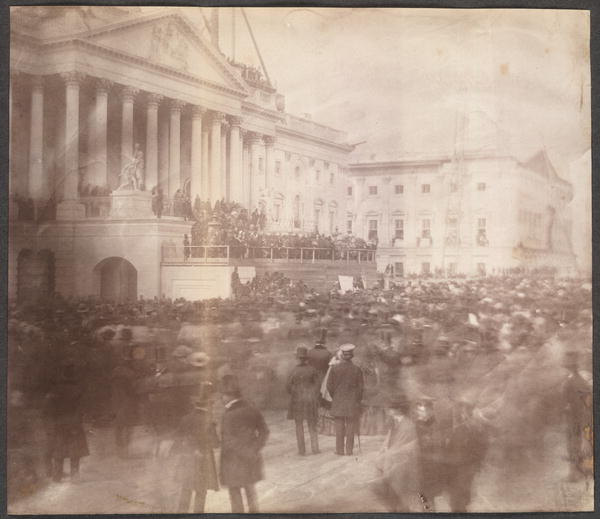
The inauguration of bachelor President James Buchanan in 1857 was the first to be captured by photograph, an event in American history that allowed future generations to glimpse this significant moment in time, with the Capitol building still under construction in the background. This groundbreaking photograph not only marked the beginning of Buchanan’s presidency but also reflected the turbulent political climate of the era, as the nation grappled with the impending divisions that would soon lead to the Civil War. The scene was a blend of hope and anxiety, as the new administration took the helm amidst growing tensions over slavery and states’ rights, setting the stage for a tumultuous journey ahead for the United States.
The First Televised Inauguration (1949)
Live coverage of the 1949 inauguration of President Harry S. Truman was the first time the event was broadcast over the television, marking a pivotal moment in media history as it allowed Americans to witness the ceremony in real-time from the comfort of their homes. This was President Truman’s second inauguration, a notable occasion that symbolized the continuity of leadership in a post-war era. His first inauguration was significant in that it was held at the White House only hours after the death of President Franklin D. Roosevelt, a somber event that underscored the nation’s grief and its urgent need for stability. The 1949 ceremony was not only a celebration of democratic ideals but also a reflection of the changing times, as new technologies began to reshape how the public engaged with political processes and leaders.
The First President Sworn-In by a Woman (1963)
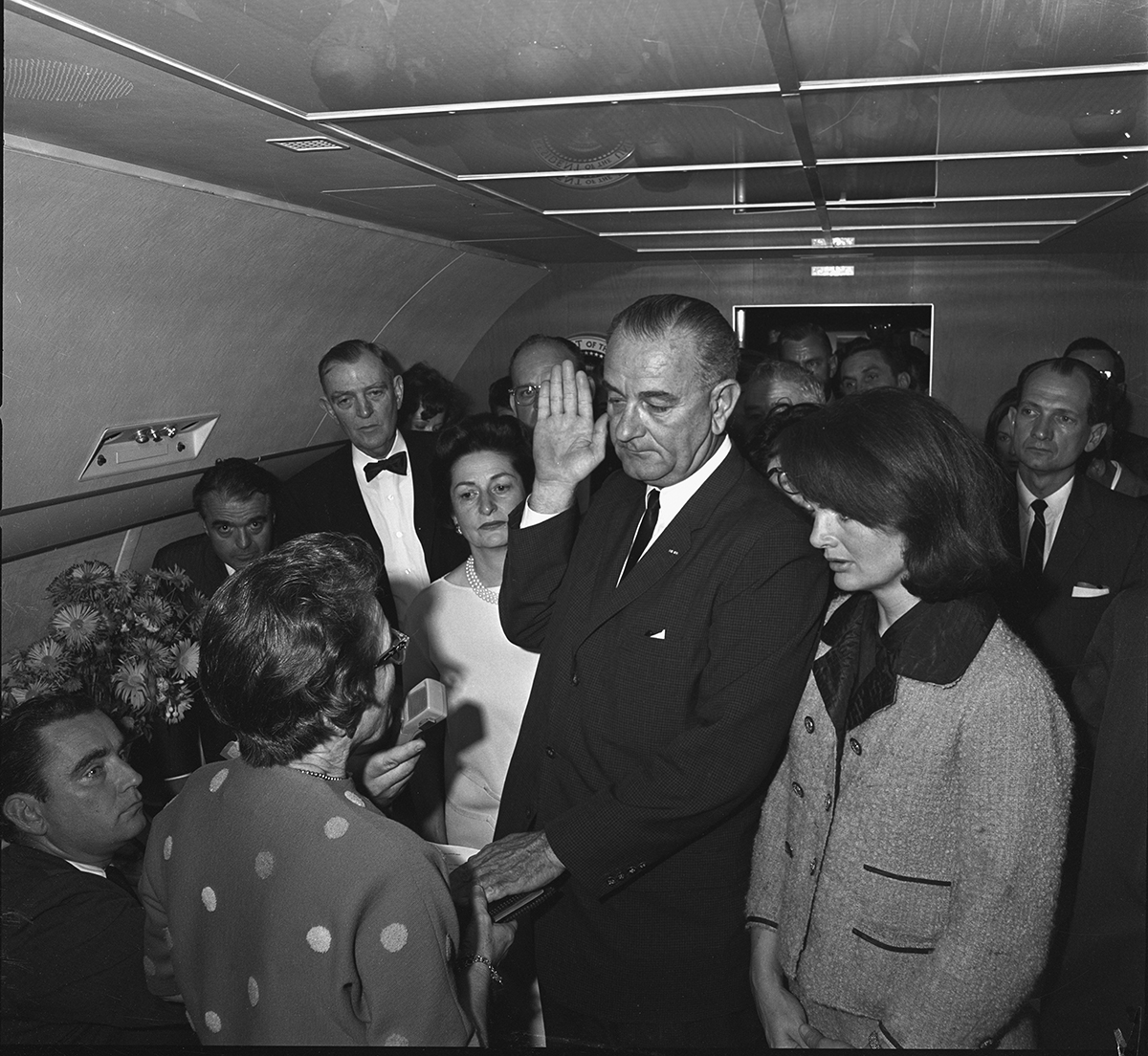
Hours after the assassination of President John F. Kennedy on November 22, 1963, Lyndon B. Johnson was sworn-in as the 36th President of the United States by U.S. District Court Judge Sarah T. Hughes aboard Air Force One alongside Kennedy’s body. The aircraft, a symbol of power and continuity, became the backdrop for this unprecedented transition of leadership during a period of national turmoil. A photo forever captured the solemn ceremony, its impact felt across the nation and beyond, with Kennedy’s widow, Jacqueline Kennedy, standing next to Johnson, still in the same pink Chanel suit she was wearing in her husband’s final moments.
The First Nickname Used for a Presidential Inauguration (1977)
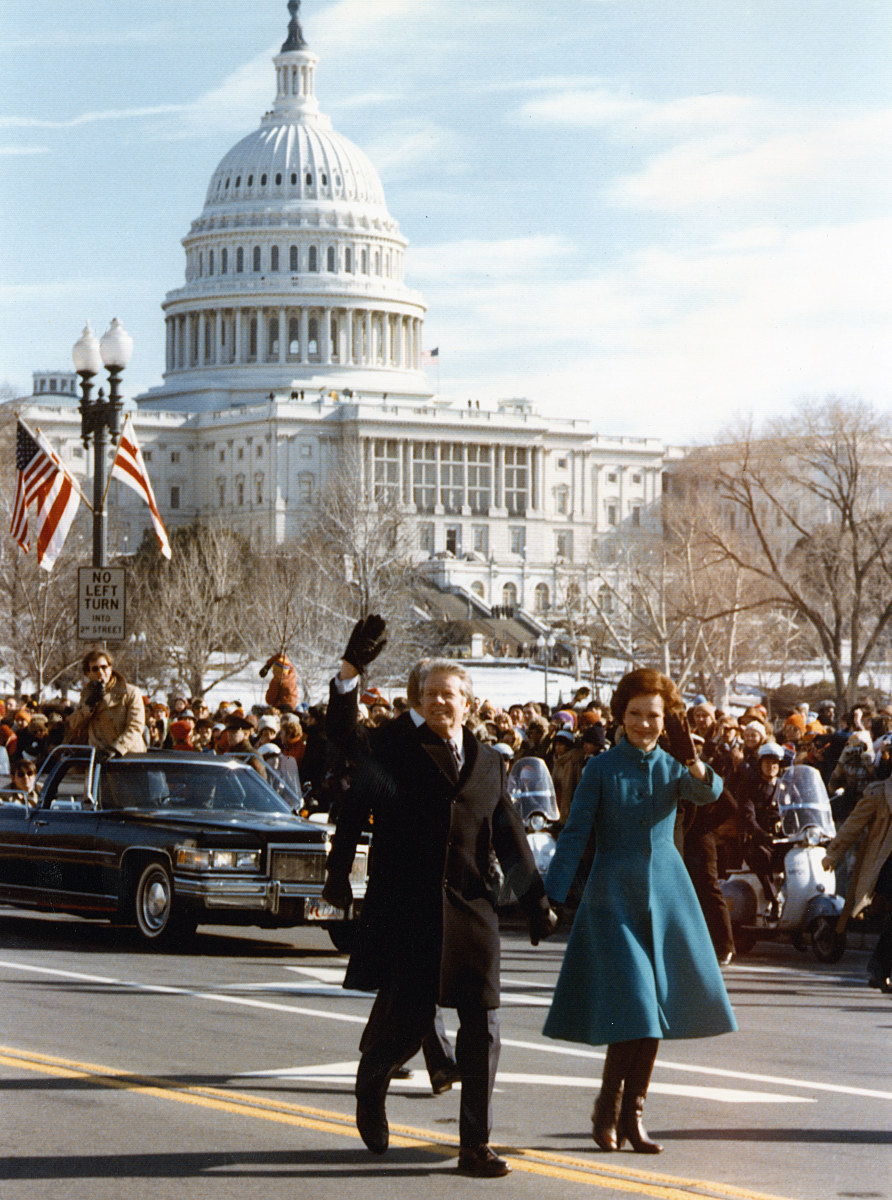
Ever the humble fella, James Earl Carter was sworn-in as the 39th President as Jimmy Carter, his approachable and relatable nickname that endeared him to millions of Americans. Known for his integrity and commitment to public service, Carter was also the first President to be born in a hospital, marking a notable moment in the history of American leadership. He concluded his inauguration by walking, hand-in-hand with his wife Rosalynn from the Capitol to the White House, rather than riding in the traditional limousine, symbolizing his down-to-earth approach and connection with the people.
Throughout his presidency, he focused on human rights and environmental issues, earning him both praise and criticism. A recipient of the Nobel Peace Prize and a life-long volunteer for Habitat for Humanity, he dedicated much of his post-presidential life to philanthropy and advocacy. His efforts significantly impacted communities across the nation and around the globe. President Jimmy Carter passed away on December 29th, 2024, at the age of 100, leaving behind a remarkable legacy of service, compassion, and dedication to the American spirit.
Sources (or it didn’t happen!)
https://www.lbjlibrary.org/object/photo/swearing-lyndon-b-johnson-president
https://www.mountvernon.org/george-washington/the-first-president/inauguration/timeline
https://www.trumanlibrary.gov/movingimage-records/mp76-37
https://constitutioncenter.org/blog/10-fascinating-facts-about-presidential-inaugurations
https://www.whitehousehistory.org/the-inauguration-of-jimmy-carter


 Every Olympic games holds an Opening Ceremony, featuring spectacular performances, music, culture, and more. In the midst of the Opening Ceremony is the Parade of Nations, which usually take place in a stadium, arena, or another type of venue in the host nation. The Parade of Nations is where the participating countries parade into the venue, carrying their flag, along with their national team. The teams usually range from one person to several hundred. Each team has a flagbearer, and the flagbearer is picked due to various reasons. Sometimes the flagbearer may be the sole team
 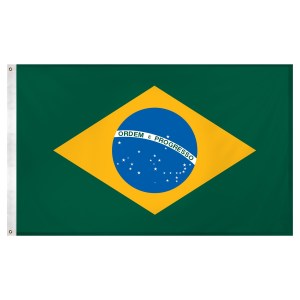 member, a medal hopeful, a medal winner from the previous games, or an official from the nation’s team. Larger nations like the United States elect their flagbearer
 President’s Day celebrates the presidents of the United States of America. This holiday is observed on the third Monday in February despite Abraham Lincoln’s birthday being on February 12th while George Washington’s is just ten days later, on February 22nd. Fun Fact: Not just Washington and Lincoln were born in February. William Henry Harrison and Ronald Reagan are also two other presidential February birthdays.
 Flag Blog